
TL;DR:
- Music storytelling now unfolds across multiple platforms, creating deeper audience engagement through transmedia narratives. Artists use a three-phase release approach and platform-specific content to build emotional continuity and maintain long-term fan interest. This interconnected strategy enhances viewer involvement, strengthens artist identity, and sustains the story beyond the initial release.
Music storytelling spans platforms because a single song, however well-crafted, cannot carry the full weight of an artist’s identity on its own. The industry term for this approach is transmedia narrative, a method where an artist’s story unfolds across multiple channels simultaneously, each one adding a distinct layer of emotional context. In 2026, cyclical streaming discovery has replaced the old linear model of release-and-forget, pushing artists to build ecosystems rather than catalogs. Morgan Harris, whose releases like Blues In The Summertime and XXI extend well beyond audio into visuals and written narrative, represents exactly the kind of artist this shift was made for. Understanding why music storytelling spans platforms means understanding how emotional connection is built, maintained, and deepened over time.
Why music storytelling spans platforms in the streaming era
Streaming discovery is no longer a straight line from release to listener. It is cyclical, meaning a fan might encounter an artist through a TikTok clip, follow a link to a YouTube video, then find the full catalog on a streaming platform weeks later. Multiple entry points into an artist’s ecosystem improve long-term fan retention more than standalone song drops. That finding reframes the entire logic of how artists should think about releasing music.
The shift matters because fan retention is the real currency of a sustainable music career. A listener who discovers an artist through a compelling visual story is more likely to follow that artist across platforms than one who simply streams a song once. This is why cross-platform storytelling in music has moved from optional to foundational.
Artists who build multi-channel engagement treat each platform as a distinct chapter in a larger story. The core narrative stays consistent, but its expression changes depending on where the audience encounters it. This approach requires discipline and a clear sense of artistic identity, but the payoff is an audience that feels genuinely invested rather than passively entertained.
Key reasons streaming has changed the storytelling calculus:
- Algorithmic discovery surfaces catalog tracks months or years after release, meaning the story must remain coherent long after launch day.
- Short-form video creates new entry points that bypass traditional radio and playlist gatekeepers entirely.
- Fan communities on platforms like YouTube and Reddit extend the narrative through commentary, fan theories, and shared emotional responses.
- Streaming playlists decontextualize songs from albums, making platform-native storytelling the only reliable way to preserve artistic intent.
Pro Tip: Map your artist ecosystem before your next release. Identify which platform serves discovery, which serves depth, and which serves community. Assign each one a specific narrative role rather than posting the same content everywhere.
How the three-phase release strategy builds narrative continuity
The most effective music release strategy treats a song launch as a three-act structure, not a single event. This three-phase approach covers pre-release teasing, release day storytelling, and post-release fan engagement, each phase serving a distinct narrative purpose.
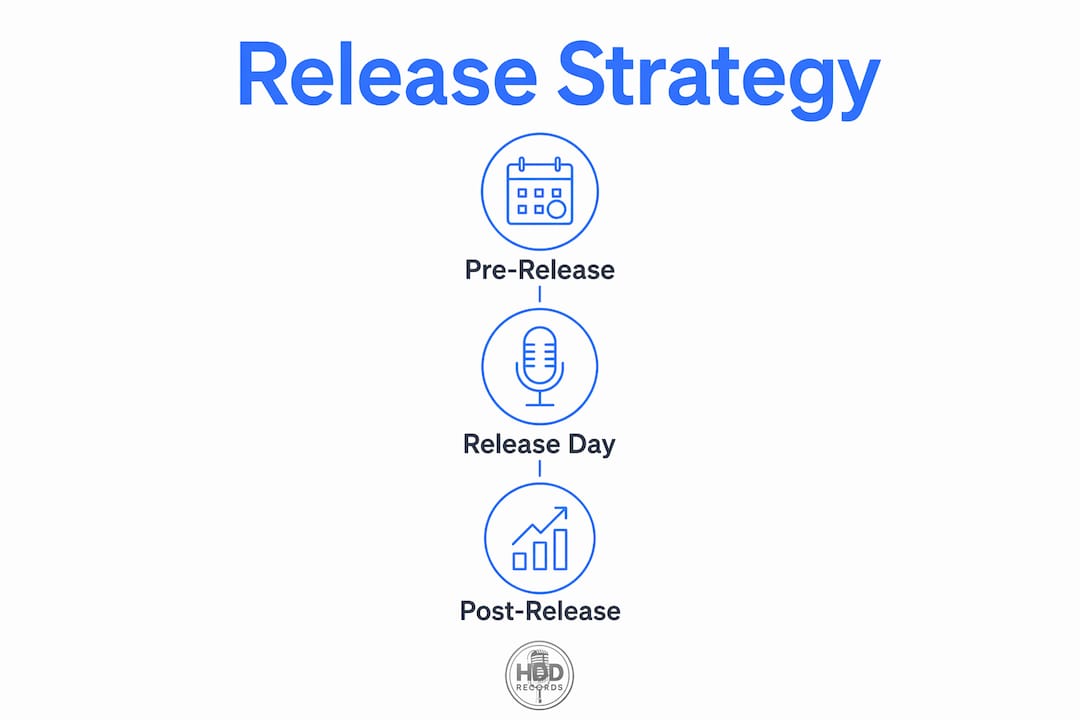
The pre-release phase is where emotional anticipation is built. Artists use lyric fragments, cover art reveals, and short-form video to introduce the emotional world of the song before the song itself arrives. This phase functions like the opening chapter of a novel. It establishes tone, raises questions, and gives the audience a reason to care about what comes next.
Release day is the narrative payoff. The song, the music video, and any accompanying written or visual content arrive together, delivering on the emotional promise made during the pre-release phase. The story is not just told through lyrics. It is told through the visual language of the video, the color palette of the artwork, and the language used in social captions.
Post-release is where most artists leave value on the table. Fan reactions, cover versions, and listener interpretations all extend the story’s life. An artist who responds to fan engagement, reshares emotional reactions, or releases alternate versions of a song keeps the narrative alive well beyond the initial launch window.
A structured release timeline looks like this:
- Weeks 3–4 before release: Introduce the emotional theme through abstract visuals, color, and mood. No song title yet.
- Week 2 before release: Reveal the title and cover art. Release a lyric snippet or short-form teaser.
- Week 1 before release: Pre-save campaign launches. Behind-the-scenes content humanizes the creative process.
- Release day: Full song, music video, and a personal statement from the artist about the song’s meaning.
- Weeks 1–4 post-release: Amplify fan reactions, release acoustic or alternate versions, and invite community interpretation.
Pro Tip: Watch fan reaction content closely in the first 72 hours after release. The emotional language fans use to describe a song often reveals the most resonant narrative thread. Use that language in your own post-release content to deepen the story.
How music functions as a narrative anchor across media
Music is the invisible narrator of every multimedia experience. Removing music from visual media measurably increases viewer anxiety and reduces emotional comprehension. That is not a minor effect. It means music is doing narrative work that visuals alone cannot perform.
This function extends well beyond film scores. In music videos, the sonic texture of a track guides how viewers interpret every visual choice. A minor key melody reframes a bright, colorful image as melancholic. An ascending chord progression turns a quiet scene into one of quiet triumph. The music does not accompany the story. It is the story’s emotional architecture.
“Music functions as a secret language, expressing intimate or marginalized identities through coded motifs that listeners recognize even when the words do not say it directly.” — Between the Lines
The concept of leitmotifs, recurring musical phrases tied to specific characters, emotions, or ideas, applies directly to artist branding. An artist who uses a consistent sonic signature across releases trains listeners to associate that sound with a specific emotional state. Morgan Harris’s blend of dance-pop, disco, and house creates exactly this kind of coded emotional grammar. Listeners who know his catalog recognize the emotional register of a new track within seconds.
This is why the importance of music in storytelling goes beyond lyrics. The production choices, the tempo, the key, and the arrangement all carry narrative information. Artists who understand this use sound itself as a storytelling tool, not just a vehicle for words.
Why visual storytelling and platform-native translation matter
Visuals have evolved from promotional tools into core storytelling components. Music videos and visual elements now create recognizable worlds and emotional context that help songs avoid being skipped in streaming environments. That is a practical consequence with real career implications.
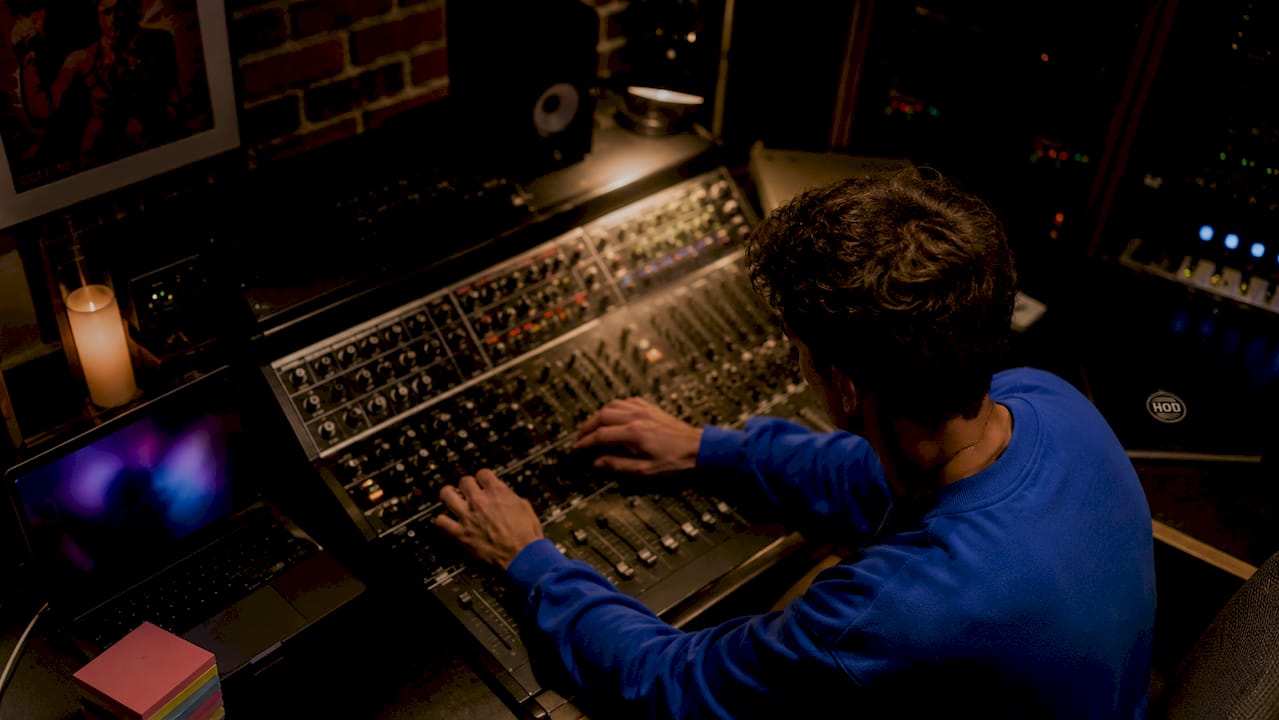
Visual storytelling now encompasses not only full-length music videos but lyric snippets, looping cover art, and platform-specific short-form clips. Each format serves a different narrative function. A lyric snippet on Instagram invites emotional identification. A looping visual on YouTube creates ambient immersion. A short-form vertical clip on TikTok delivers a single, punchy narrative moment designed for immediate sharing.
The concept of narrative architecture is the structural backbone of this approach. Defining the emotional and philosophical arc of a release before any content is created ensures that artwork, sequencing, and rollout strategies all point toward the same emotional destination. Without this architecture, multiplatform content becomes fragmented and exhausting for audiences to follow.
Platform-native translation is the practical execution of narrative architecture. It means adapting the core narrative motif to each platform’s content grammar rather than duplicating the same post everywhere. The table below shows how this works in practice:
| Platform | Content grammar | Narrative role |
|---|---|---|
| TikTok | Short-form vertical video, trending audio | Discovery and emotional hook |
| YouTube | Long-form video, music video, vlogs | Depth and world-building |
| Visual grids, Stories, Reels | Aesthetic identity and mood | |
| Twitch | Live streaming, real-time interaction | Community and live connection |
| Long-form personal writing | Conversion and intimate narrative |
Assigning distinct roles to each channel prevents audience fatigue and keeps the narrative coherent. An artist who posts identical content on every platform trains their audience to tune out. An artist who tailors the story to each platform gives fans a reason to follow them everywhere.
Centralizing promotional links through a single bio link page harmonizes messaging across social platforms and guides audiences toward a coherent narrative destination. This is not just a convenience feature. It is a narrative decision.
Pro Tip: Before your next release, write a one-paragraph narrative statement that defines the emotional and philosophical arc of the project. Use this statement as the filter for every piece of content you create. If a post does not serve the arc, it does not get published.
Key takeaways
Music storytelling spans platforms because transmedia narrative architecture, platform-native content translation, and cyclical streaming discovery together create deeper fan engagement than any single-channel release strategy can achieve.
| Point | Details |
|---|---|
| Cyclical discovery demands multi-channel presence | Streaming algorithms surface music long after release, making ongoing narrative presence across platforms necessary. |
| Three-phase releases build emotional investment | Pre-release, release day, and post-release storytelling compound audience connection over time. |
| Music is the emotional narrator | Sound guides emotional interpretation in ways visuals alone cannot, making production choices a core storytelling tool. |
| Platform-native translation prevents fatigue | Adapting narrative content to each platform’s grammar keeps audiences engaged without repetitive posting. |
| Narrative architecture unifies the story | Defining emotional and philosophical arcs before release ensures all content points toward the same destination. |
The case for committing to the full narrative arc
I have watched artists build genuinely devoted audiences and others release strong music into relative silence. The difference, more often than not, is not the quality of the songs. It is the presence or absence of a coherent story surrounding them.
The artists who hold my attention longest are the ones who treat each platform as a distinct instrument in a larger arrangement. They do not duplicate content. They translate it. A lyric that becomes a caption on Instagram becomes a visual motif in a YouTube video and a live conversation on Twitch. The core emotional truth stays constant. The expression shifts to fit the room.
What I find most underestimated is the post-release phase. Artists pour energy into the launch and then go quiet. But the story does not end on release day. Fan interpretations, emotional reactions, and community discussions are narrative extensions that cost nothing to amplify. Resharing a fan’s emotional response to Blues In The Summertime is not self-promotion. It is collaborative storytelling.
The harder discipline is narrative consistency. It is tempting to chase trends or post reactively. But an artist who has defined their emotional and philosophical arc can evaluate every content decision against a clear standard. Does this serve the story? If not, it dilutes the brand rather than building it. That clarity is what separates artists who build lasting audiences from those who accumulate streams without connection.
— Luca Bennett
Morgan Harris and multiplatform storytelling in practice
Morgan Harris builds his artist identity through exactly the kind of transmedia narrative this article describes. His releases blend dance-pop, disco, and house with emotionally specific songwriting, and his visual and written content extends each song’s story well beyond the audio itself.
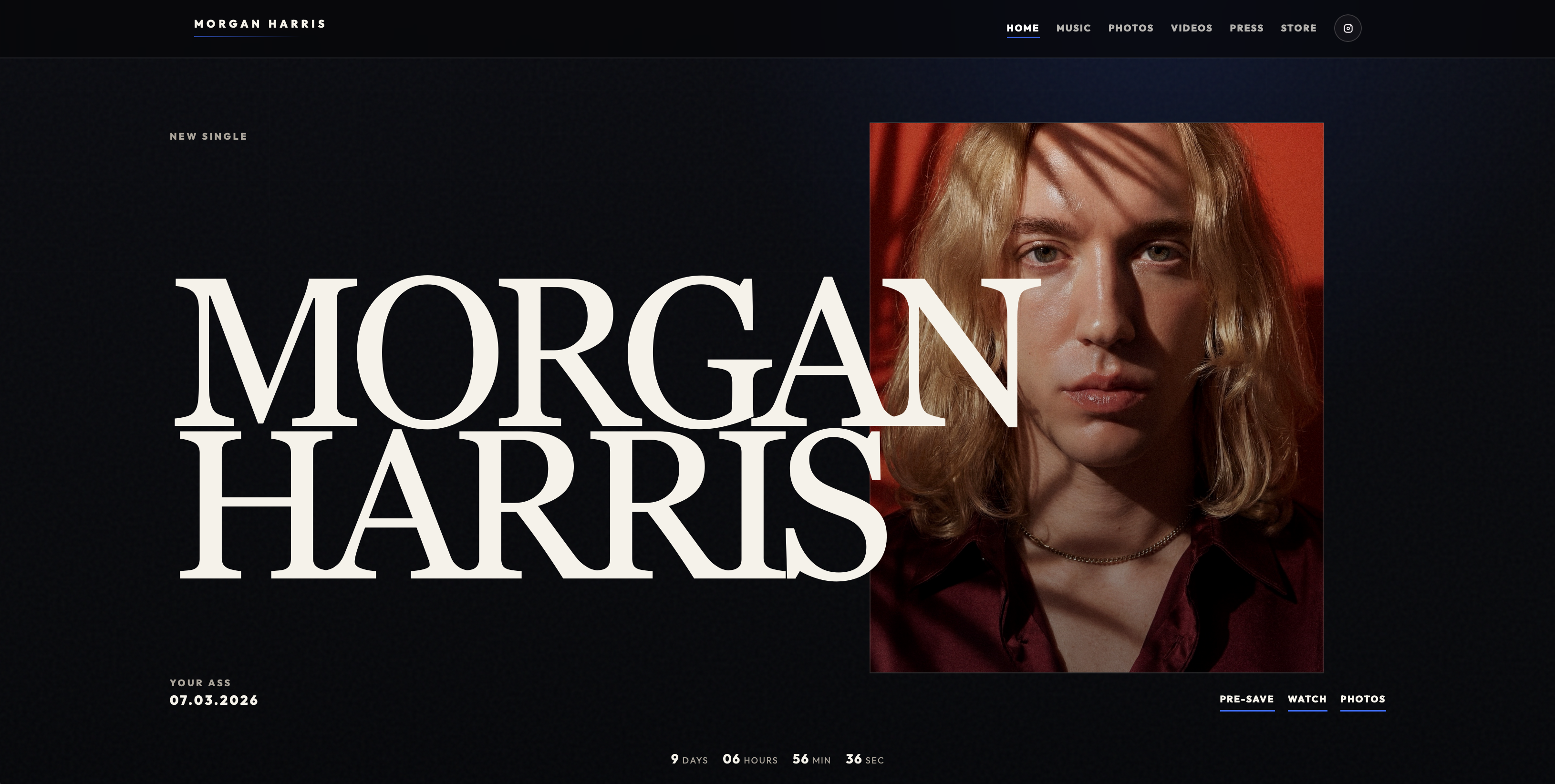
Readers who want to see multiplatform music storytelling applied in practice can explore the official Morgan Harris profile, which brings together his music, visuals, and artist narrative in one place. His full discography shows how releases like XXI, Disco Heaven, and Pictures Back each function as chapters within a larger, evolving artistic story. For creators interested in the production side of building these kinds of narratives, the remote collaboration workflows used by independent artists offer a practical starting point for building multiplatform content without a major label infrastructure.
FAQ
What does it mean for music storytelling to span platforms?
Music storytelling spans platforms when an artist’s narrative unfolds across multiple channels simultaneously, with each platform contributing a distinct layer of emotional or contextual meaning. This approach is formally called transmedia narrative.
Why is multiplatform storytelling more effective than single-channel releases?
Multiple entry points into an artist’s ecosystem improve long-term fan retention more than standalone song drops. Fans who encounter a story across several platforms develop deeper emotional investment than those who hear a song once.
What is narrative architecture in music?
Narrative architecture is the practice of defining a release’s emotional and philosophical arc before any content is created. It aligns artwork, sequencing, and rollout strategies into a unified story rather than a series of isolated posts.
How does platform-native translation work in practice?
Platform-native translation means adapting the core narrative motif to each platform’s content grammar. TikTok receives short emotional hooks, YouTube receives long-form world-building, and email receives intimate personal writing. The story stays consistent. The format changes.
Why does music guide emotional interpretation in multimedia?
Removing music from visual media increases viewer anxiety and reduces emotional comprehension. Music fills the interpretive gaps that visuals leave open, making it the primary emotional narrator in any multimedia experience.